Is Your Skin Dehydrated or Just Dry? How to Tell the Difference
Unlock Your Glow: The Crucial Difference Between Dryness and Dehydration for Effective Skincare
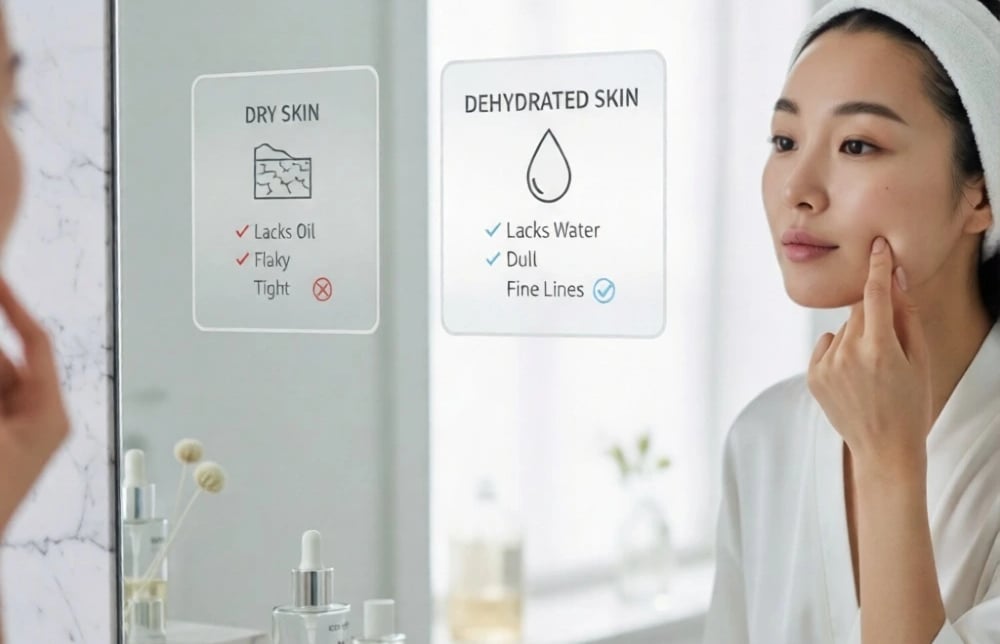
It’s a common skincare dilemma: your skin feels tight, looks dull, and perhaps even flaky. You might instantly reach for the heaviest moisturizer, assuming you have dry skin. But what if the real culprit is dehydrated skin? While the symptoms can feel similar, understanding the crucial difference between dry and dehydrated skin is the first step towards an effective skincare routine and achieving that coveted healthy glow.
Let's dive into how to tell them apart and why it matters for your skin hydration and overall complexion.
Dry Skin: A Skin Type, Lacking Oil
Dry skin is a skin type, determined by your genetics, just like oily or combination skin. It's characterized by a lack of natural oils (sebum) in the skin.
Key indicators of dry skin often include:
Flakiness and Rough Patches: Your skin may feel scaly or have visibly dry, rough areas.
Persistent Tightness: This feeling persists even after moisturizing, often accompanied by itchiness.
Invisible Pores: Pores tend to be very small and less visible.
Lack of Luster: Your skin rarely looks shiny or oily, often appearing dull.
Chronic Condition: It’s a lifelong predisposition, not just a temporary state.
If you have dry skin, your skin's natural barrier is compromised due to insufficient lipids, making it harder to retain moisture. Your focus should be on replenishing those essential oils and strengthening the barrier.
Dehydrated Skin: A Skin Condition, Lacking Water
Unlike dry skin, dehydrated skin is a skin condition that anyone can experience, regardless of their skin type. Even oily skin can be dehydrated! It simply means your skin is lacking water, not necessarily oil.
How to spot dehydrated skin:
Tightness and Itchiness (Temporary): While similar to dry skin, this feeling can come and go, often triggered by environmental factors or diet.
Dullness and Shadowing: Skin might look lackluster, with slight shadows around the eyes or nose.
Increased Sensitivity: Your skin might react more easily to products, feeling irritated or stingy.
Fine Lines Are More Visible: Dehydration can exaggerate the appearance of fine lines and wrinkles, making them look deeper.
Congestion and Breakouts: Paradoxically, dehydrated skin can sometimes lead to increased oil production (as the skin tries to compensate for lack of water) and even breakouts.
The "Pinch Test": Gently pinch a small area of skin on your cheek. If it takes a moment to snap back, or if you see fine lines appear, it’s likely dehydrated.
Factors like weather changes, air conditioning, excessive caffeine or alcohol, insufficient water intake, and harsh skincare products can all contribute to skin dehydration.
Why the Difference Matters for Your Routine
Understanding whether you're dealing with dryness or dehydration is crucial for choosing the right products and treatments.
For Dry Skin (Lacking Oil): Focus on rich, occlusive moisturizers, facial oils, and balms that contain ingredients like ceramides, fatty acids, and shea butter to rebuild your skin's lipid barrier.
For Dehydrated Skin (Lacking Water): Opt for lightweight, water-attracting ingredients like hyaluronic acid, glycerin, and our Glacier Water or Black Moor Essence. These penetrate easily to replenish water levels without adding extra oil.
At our clinic, our Hydration Treatment is specifically designed to combat dehydration by infusing your skin with deep, therapeutic moisture. Paired with our Oxy-Tech Nano Spray and Glacier Water Refill, you can maintain optimal skin hydration daily, leaving your complexion plump, radiant, and truly revitalized.
Ready to give your skin exactly what it needs? Consult with our specialists to tailor a routine that brings your skin back to its healthy, hydrated best.